
Blog

Google Ads or Meta Ads? Learn how to choose the right platform by understanding your customer, their journey, and how to track and optimize results.

Discover why business growth depends on using the right tools for the right purpose. Learn how AI, SEO, websites, and marketing work best as a complete system.

Learn how Google Ads can support SEO by revealing valuable keyword data, testing messaging, and improving landing pages without buying organic rankings.

AI can generate content, but it cannot replace market research, positioning, or strategic thinking that drives real business growth.

Understand the difference between attribution, ROAS, and ROI and how these key metrics help businesses measure marketing performance and profitability.

Discover how a Fractional CMO provides executive level marketing strategy, drives scalable growth, and delivers results without the cost of a full time hire.
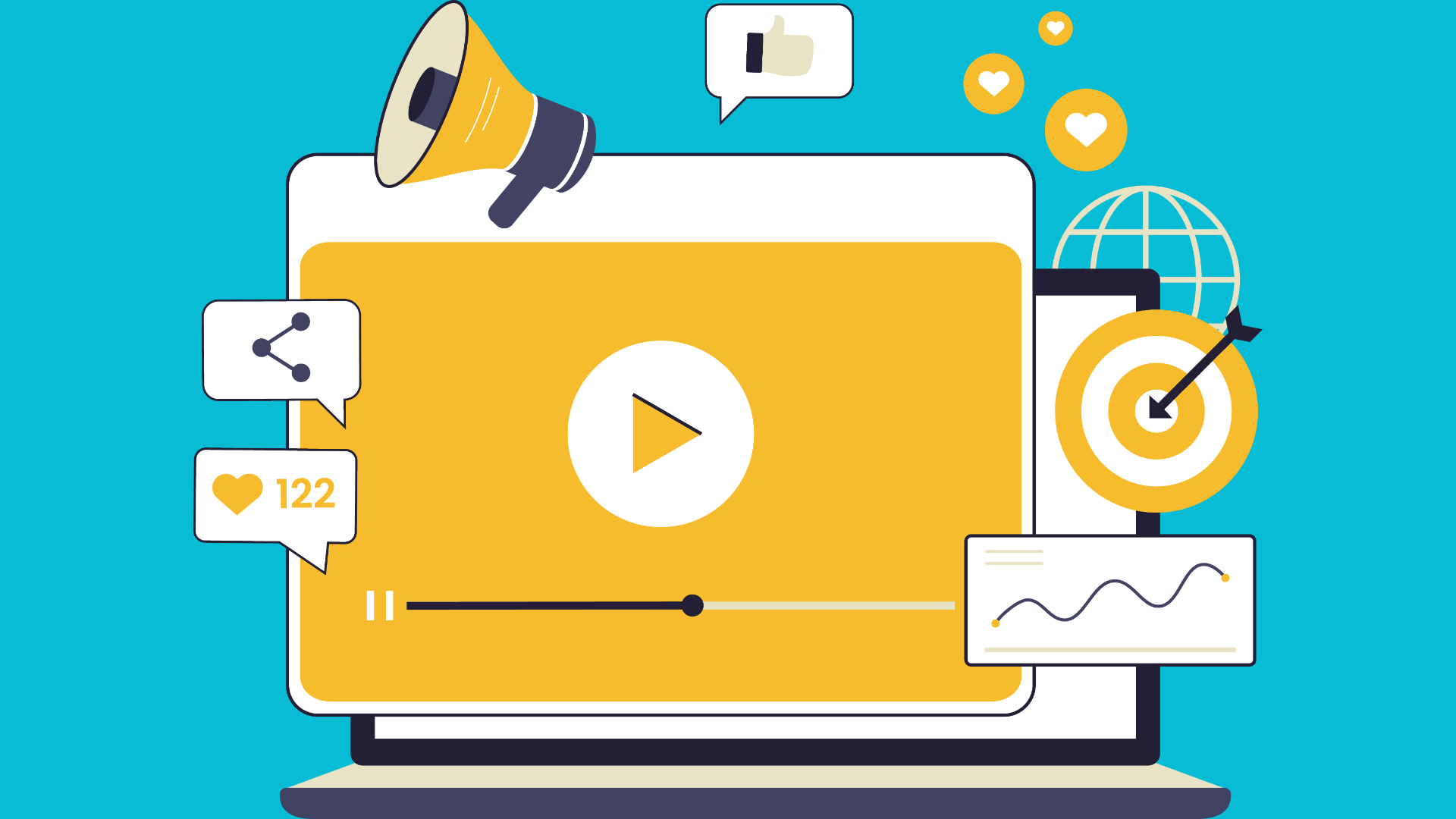
Most businesses start with the same assumption: if the product is good enough, people will eventually find it. Outreach shows intentional conversations spark growth.
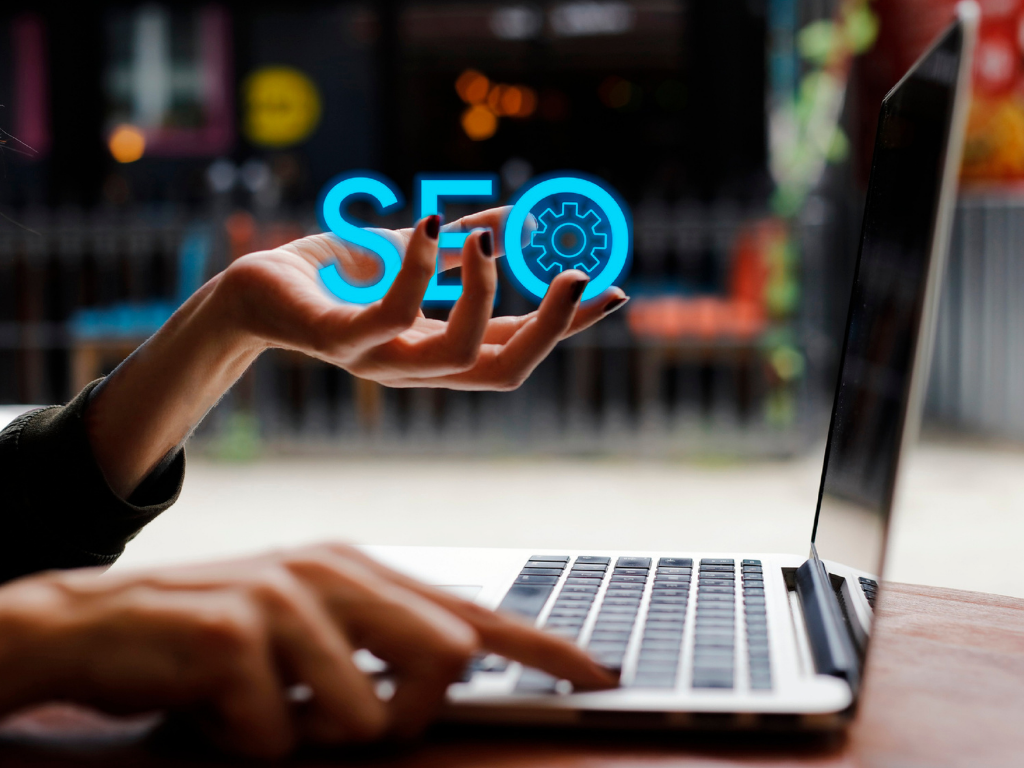
Digital Marketers have heard the same rumor for years: “SEO is dead.” We believe the opposite: SEO isn’t dead, it’s expanding.

In marketing, attention isn’t just currency—it’s the gatekeeper of every conversion. Yet, in a landscape overloaded with messages, ads, and calls to action, it’s no longer enough to capture interest. You need to remove barriers to action entirely. That’s where Zero and One-Click Marketing come in. These are not gimmicks, they’re strategies designed for how people make decisions today: quickly, impulsively, and often on mobile. When applied correctly, they streamline user behavior; they reshape the customer experience, delivering efficiency without sacrificing depth . In this article, we unpack how these strategies work, where they fit in a larger digital ecosystem, and how businesses of all sizes can implement them with precision. What Is One-Click Marketing? One-click marketing refers to designing pathways that allow users to take a desired action, such as making a purchase, scheduling a call, or downloading a resource, with minimal effort , ideally with a single interaction. This strategy is rooted in behavioral psychology: the fewer steps a user takes, the more likely they are to follow through. This strategy is rooted in behavioral psychology: the fewer steps a user takes, the more likely they are to follow through. Common Applications "Buy Now" buttons that bypass the cart and go straight to checkout Email CTAs that lead directly to pre-filled landing pages or forms Retargeting ads with personalized offers and instant conversion paths Why It Works? Reduces drop-off due to decision fatigue or friction Increases conversions by shortening the customer journey Creates a smoother, more intuitive user experience When implemented thoughtfully, one-click strategies enhance user satisfaction and drive performance without sacrificing brand integrity. What Is Zero-Click Marketing? While one-click strategies aim to simplify action, zero-click marketing focuses on delivering value instantly, without requiring any clicks. The goal is to provide helpful, relevant information within the platform where the user is already consuming content. You’ve Seen It In: Google Featured Snippets : Deliver concise answers directly within the search results, allowing users to access key information, such as business details or frequently asked questions, without visiting the website. Social media carousels or infographics : No click needed to understand the message Email previews : key value delivered in the subject line or preheader Strategic Value: Positions your brand as helpful and authoritative Builds trust before asking for action Keeps you visible and relevant, even when users don’t engage directly Zero-click content is part of a long-game approach: Educate and engage first, convert later. Why These Strategies Matter Every extra click or barrier can cost you a conversion in a world where users are constantly multitasking. The businesses that succeed are those that make interaction easy, thoughtful, and intuitive.

Let’s begin with an uncomfortable truth: most marketing today is forgettable. Despite access to better tools, smarter data, and endless content, many brands struggle to make lasting impressions. Why? They focus on logic when emotion drives behavior. At Coax, we believe marketing should do more than inform. It should connect. And that connection starts with understanding the emotional architecture behind decision-making. In this article, we’ll walk through 7 principles drawn directly from our client strategy sessions and Brand Brief methodology —all rooted in emotional science and proven to elevate your brand’s impact. 1. Emotion Is a Strategy—Not a Side Effect High-performing brands aren’t successful by accident. They follow emotional formulas that bypass rational thinking and speak directly to what drives action: feeling. You see it in every industry—from luxury retail to tech startups. The most resonant campaigns don’t rely on data dumps or lists of features. They center on how the brand makes you feel. Confidence, nostalgia, urgency, or belonging, emotion is not just an ingredient in effective marketing. It is the foundation. If your brand isn’t resonating, it’s not due to a lack of facts—it’s a lack of feeling. 2. Your Brand Archetype Is the Starting Point Every successful brand has an identity beneath the surface—an emotional blueprint that shapes communication and connection. This is your Brand Archetype , revealing the emotional triggers guiding your tone, language, messaging, and offers. Whether you’re a visionary, nurturer, explorer, or protector, understanding your archetype allows you to build strategy with precision instead of guesswork. Clarity begins with identity. Know who you are emotionally before you try to connect with others. 3. Don’t Overload. Focus on One Emotion at a Time. The brain processes only one conscious emotion at a time. Yet many brands try to communicate too much at once—cramming every feature, offer, and value prop into a single ad or landing page. This creates confusion, not connection. High-converting campaigns are focused and deliberate. They convey one message, one emotional driver, and one clear reason to act. Don’t ask your audience to multitask. Anchor your messaging in a single, intentional emotion. 4. Word-of-Mouth is Not a Marketing Plan Referrals are great, but not scalable, predictable, or controllable. If your brand relies solely on organic buzz to grow, you’re operating on luck, not leverage. Instead, top-performing brands repeat their message with clarity and consistency across paid, If you’re not in control of your message, someone else is—and they might not get it right. 5. Boring Products Don’t Exist—Only Boring Messaging Milk, razors, and pistachios aren’t inherently exciting products, yet each has been the center of multimillion-dollar campaigns. The difference? Symbolic storytelling. When Dollar Shave Club launched with a $4,500 video, it didn’t discuss blade quality—it delivered humor, rebellion, and convenience. The result? Over 12,000 customers in 48 hours and a billion-dollar exit. You don’t need a revolutionary product. You need a narrative that taps into existing emotional needs. 6. Visuals Drive First Impressions—and First Reactions Research shows we process visuals 60,000 times faster than text. That means your audience is evaluating your brand before they read a word. Effective design isn’t about decoration. It’s about alignment. Your visuals must reinforce the emotional tone of your message—or they’ll dilute it. If your imagery doesn’t support your message emotionally, it works against you. 7. The Right Words Are More Than Persuasive—They’re Precision Tools There are hundreds of “power words” out there. However, the correct words for your brand depend on your audience and archetype. That’s why we build custom Persuasion Libraries for clients—sets of emotionally charged language matched to their unique strategy. These words aren’t chosen at random. They’re engineered to prompt action. Language is your most scalable sales tool. Choose it strategically, not generically. Strategy That Connects is Strategy That Converts We’ve seen brands transform when they shift from performance-driven messaging to emotionally grounded storytelling. Because in the end, it’s not about saying more—it’s about saying what matters. You don't need more content if your marketing feels stuck, scattered, or forgettable. You need emotional clarity, and we can help you achieve it. Ready to stop guessing and start resonating? We turn emotional insight into brand impact. Discover your archetype, clarify your message, and move your market. Book your free strategy session and build a brand that people don’t just see but feel .